
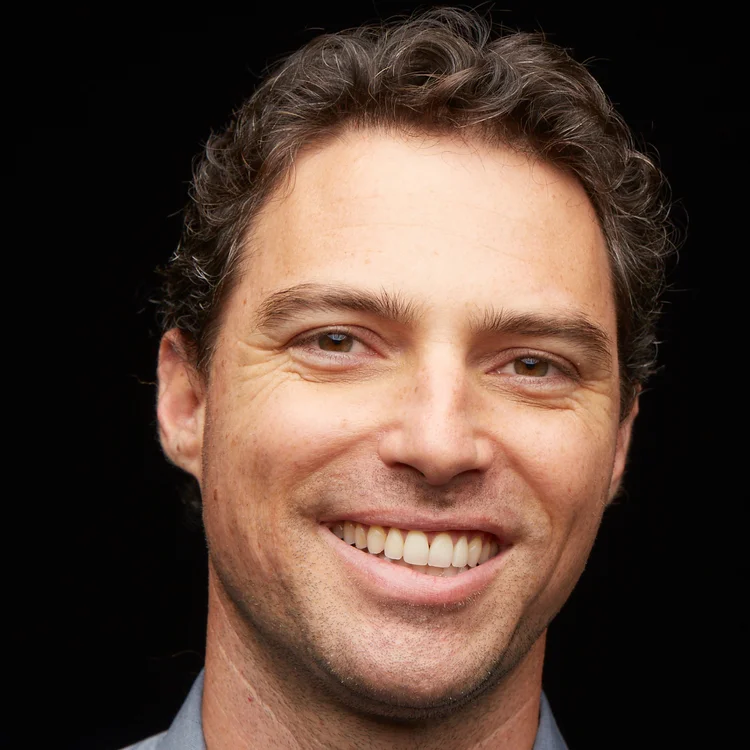
Sean Young, PhD
UC Irvine
Read more
Sean D. Young, PhD, MS is a Professor of Emergency Medicine and Informatics at UC Irvine and Executive Director of the UC Institute for Prediction Technology, where he has received more than $100M in NIH and NSF–funded research as PI or Co-I. Trained as a social psychologist and health services researcher at Stanford (PhD, MS) with an ethnomusicology background from UCLA, his work spans digital health interventions, AI/data science, music and sound-based therapies, and neuroscience of music and mental health. He partners with public health organizations worldwide to design and implement digital tools for health surveillance and outreach.
Beyond academia, Dr. Young is the #1 Wall Street Journal and international best-selling author of Stick With It (HarperCollins/Penguin), an advisor on digital health products, and serves on the National Academies of Sciences, Engineering, and Medicine’s Health and Medicine Division Board. Formerly in music (A&R at Universal and a musician in bands) and NASA researcher, he now also shares insights on parenting and AI learning through @YoungandHungryK_12. He volunteers weekly at the OC Rescue Homeless Shelter.
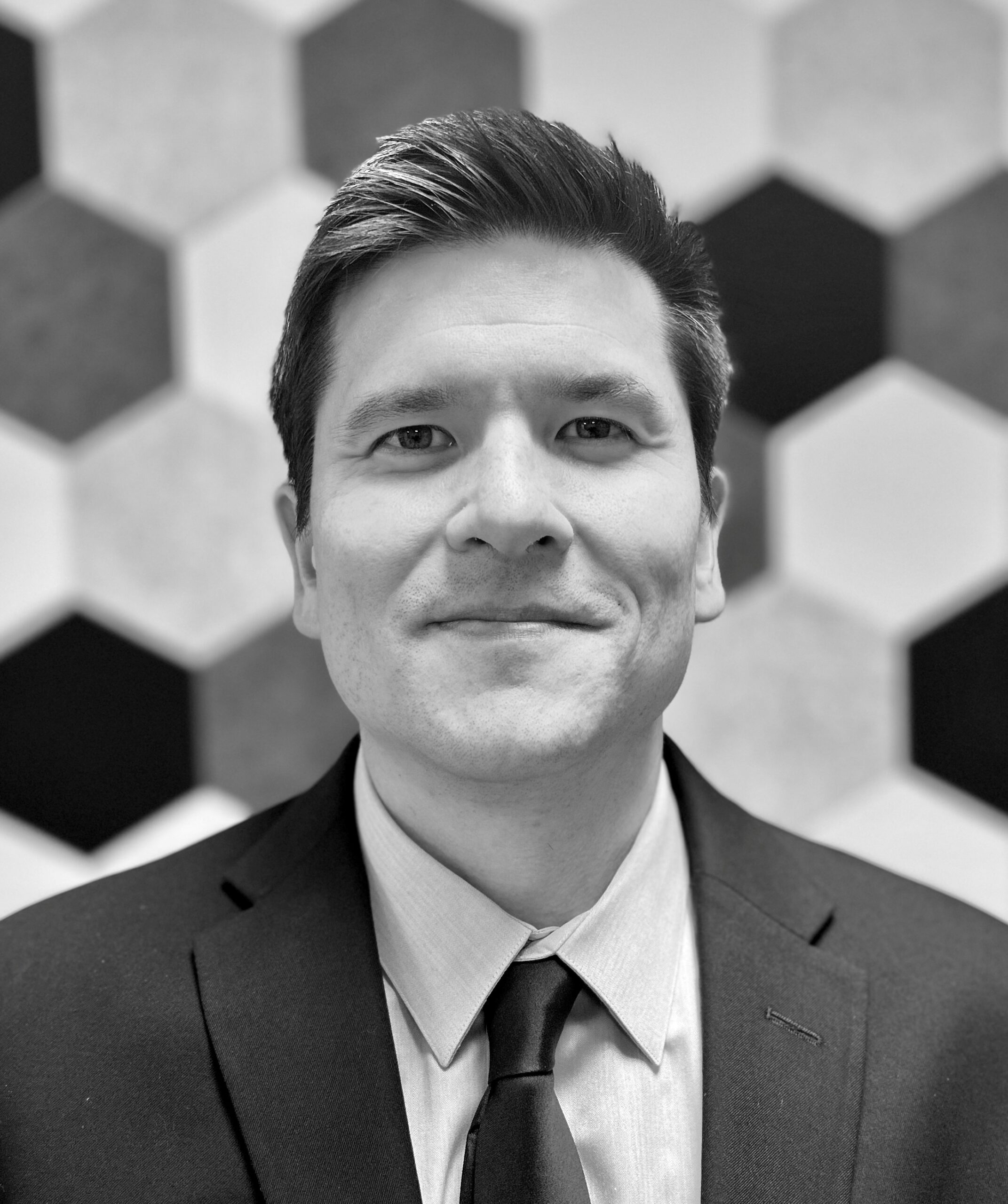
Daniel Bowling, PhD
Stanford University
Read more
Dr. Bowling is Director of the Music, Brain & Health Lab at Stanford School of Medicine. His translational research harnesses the neural effects of music to develop personalized music-based treatments for health and wellness, with a particular focus on anxiety and depression in young adults. His approach integrates expertise in neuroscience, bioacoustics, music therapy, and psychiatry to apply insights from music’s underlying biology to medicine. Dr. Bowling earned his PhD in Neurobiology from Duke University School of Medicine and holds graduate certificates in Cognitive Neuroscience and Translational Medicine. He has authored over 40 peer-reviewed publications in leading journals including Science, PNAS, and Molecular Psychiatry. His research program has been supported by federal and private foundations including the National Institutes of Health, NeuroArts Blueprint, and the American Foundation for Suicide Prevention.
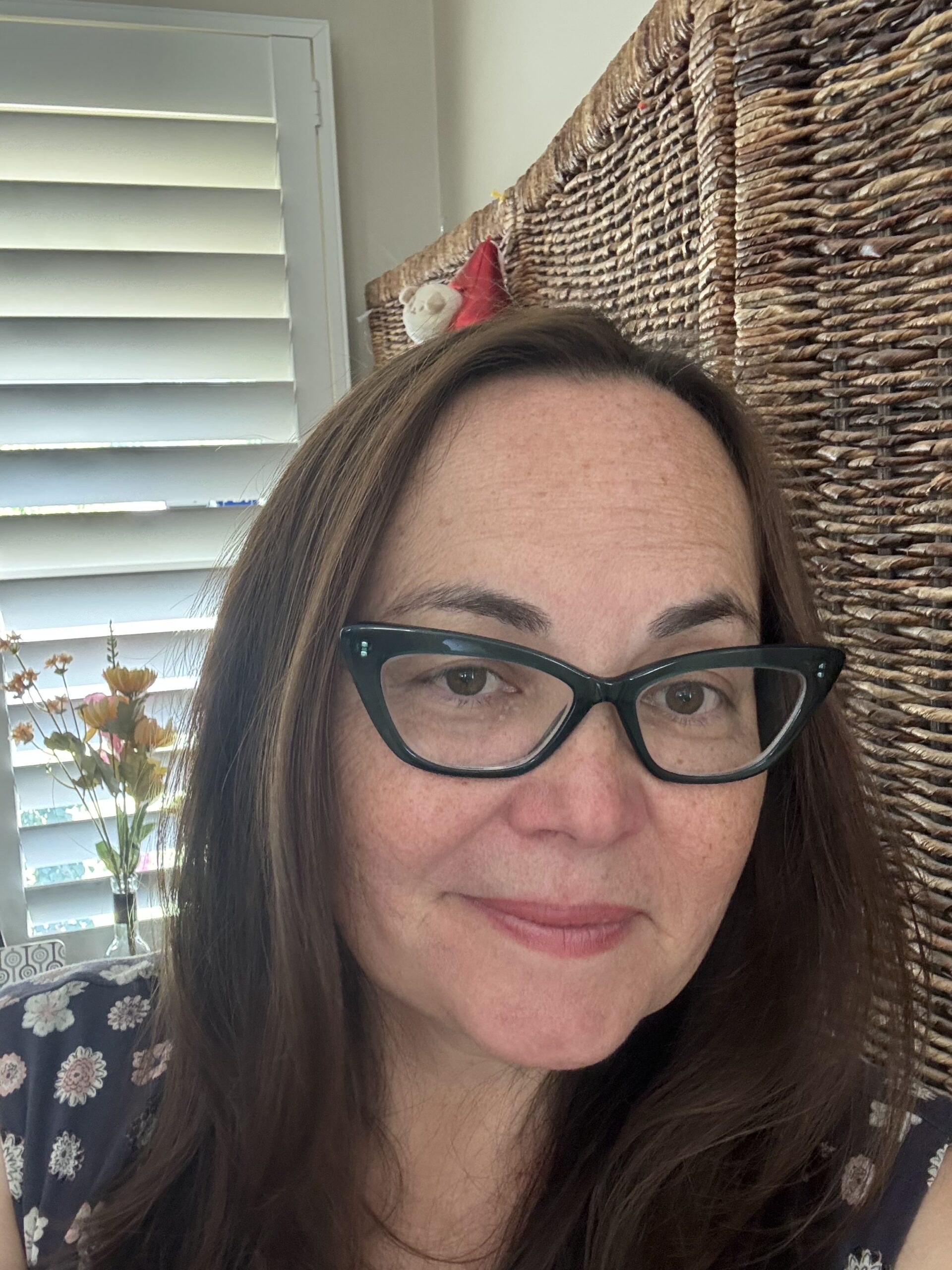
Beatriz Ilari, PhD
University of Southern California
Read more
Beatriz Ilari, PhD, is a Professor of Music Teaching and Learning at the University of Southern California. She has conducted extensive research with infants, children and adolescents to examine the intersections between musical participation, child development, cognition and culture. A Brazilian native, Beatriz identifies with the Latin American communities of Southern California. Her research focuses largely on the musical experiences of Latino and Latin American children and their families, in the home, at schools and in community spaces. Beatriz is a research fellow at USC’s Brain & Creativity Institute and collaborates regularly with colleagues from various fields in Brazil, Portugal, Spain, UK, USA, Finland, and Hong Kong. Her research has appeared in the Journal of Cross-Cultural Psychology, Journal of Research in Music Education, Music & Science, Proceedings of the New York Academy of Sciences, and Psychology of Music. She is also a co-editor of the “Routledge Companion to Interdisciplinary Studies in Singing – Volume 1 (Development), “Music in Early Childhood: Multi-disciplinary Perspectives and Inter-disciplinary Exchanges (Springer),” and “Children’s Home Musical Experiences Across the World” (Indiana University Press), and co-author of the forthcoming book “Musicking the margins: Possible selves in Brazilian music programs” (OUP). A violinist by training, Beatriz is a former early childhood and elementary music educator.
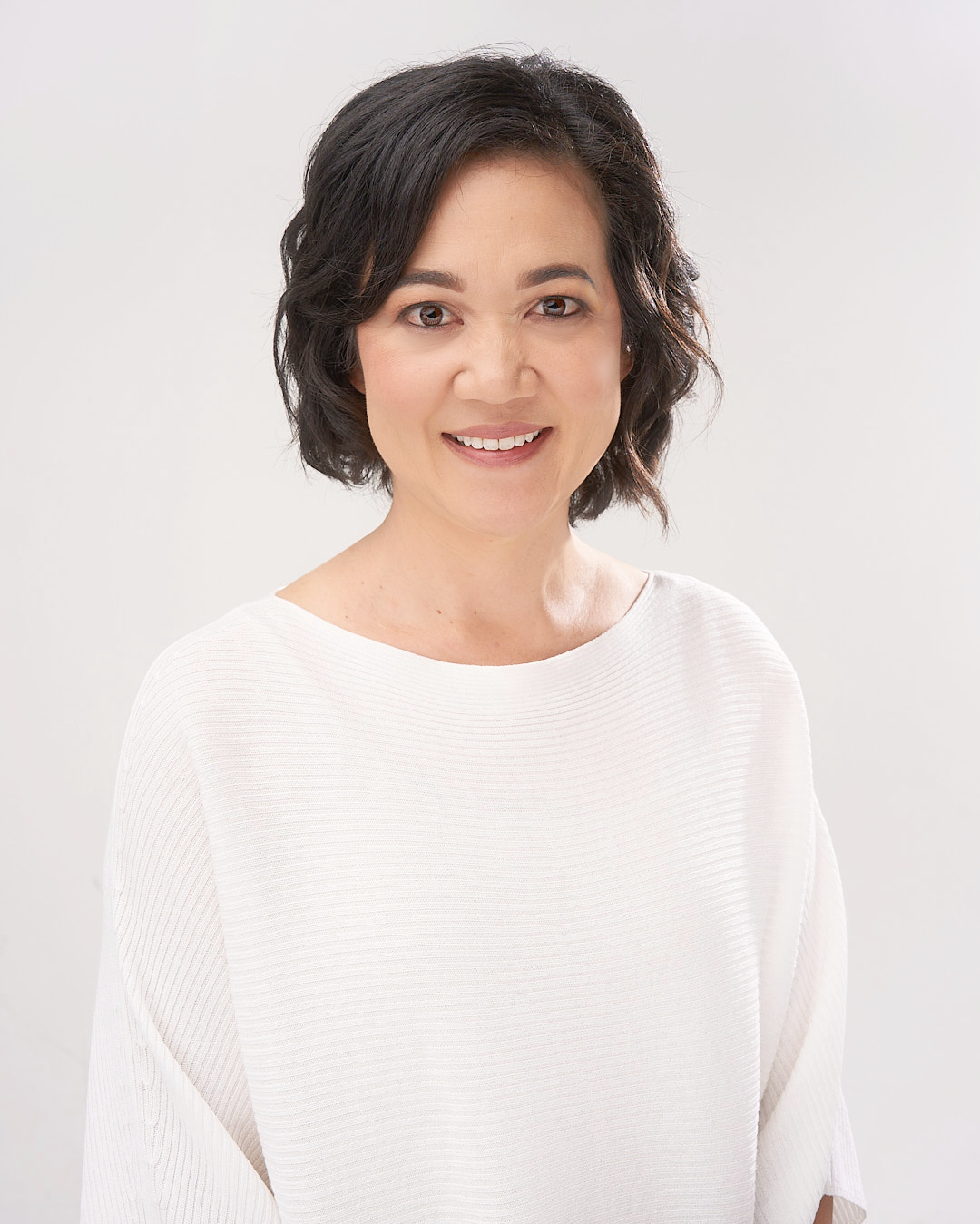
Ami Kunimura, PhD
UCLA
Read more
Ami Kunimura, Ph.D., MT-BC is the founder of The Self-Care Institute. She holds a Ph.D. in Mind-Body Medicine and is a board-certified music therapist. Ami provides therapeutic support for individuals and organizations worldwide with burnout prevention, burnout recovery, stress management, and sustainable self-care.
Ami has presented on self-care and occupational burnout at international events and conferences. She has also developed and facilitated research-based educational courses and programs on burnout prevention and self-care.
Ami has taught as a lecturer at UCLA and as an adjunct graduate faculty member at Saint Mary-of-the-Woods College and Saybrook University. As a board-certified music therapist since 2006, Ami specializes in mental health, trauma, and addictions treatment.
Ami received a Ph.D. in Mind-Body Medicine from Saybrook University, MA in Music Therapy from Saint Mary-of-the-Woods College, and BA in Psychology from Loyola Marymount University. Ami (pronounced Ah-me) was born and raised in Hawaii, and splits her time between Southern California and The Big Island of Hawaii.
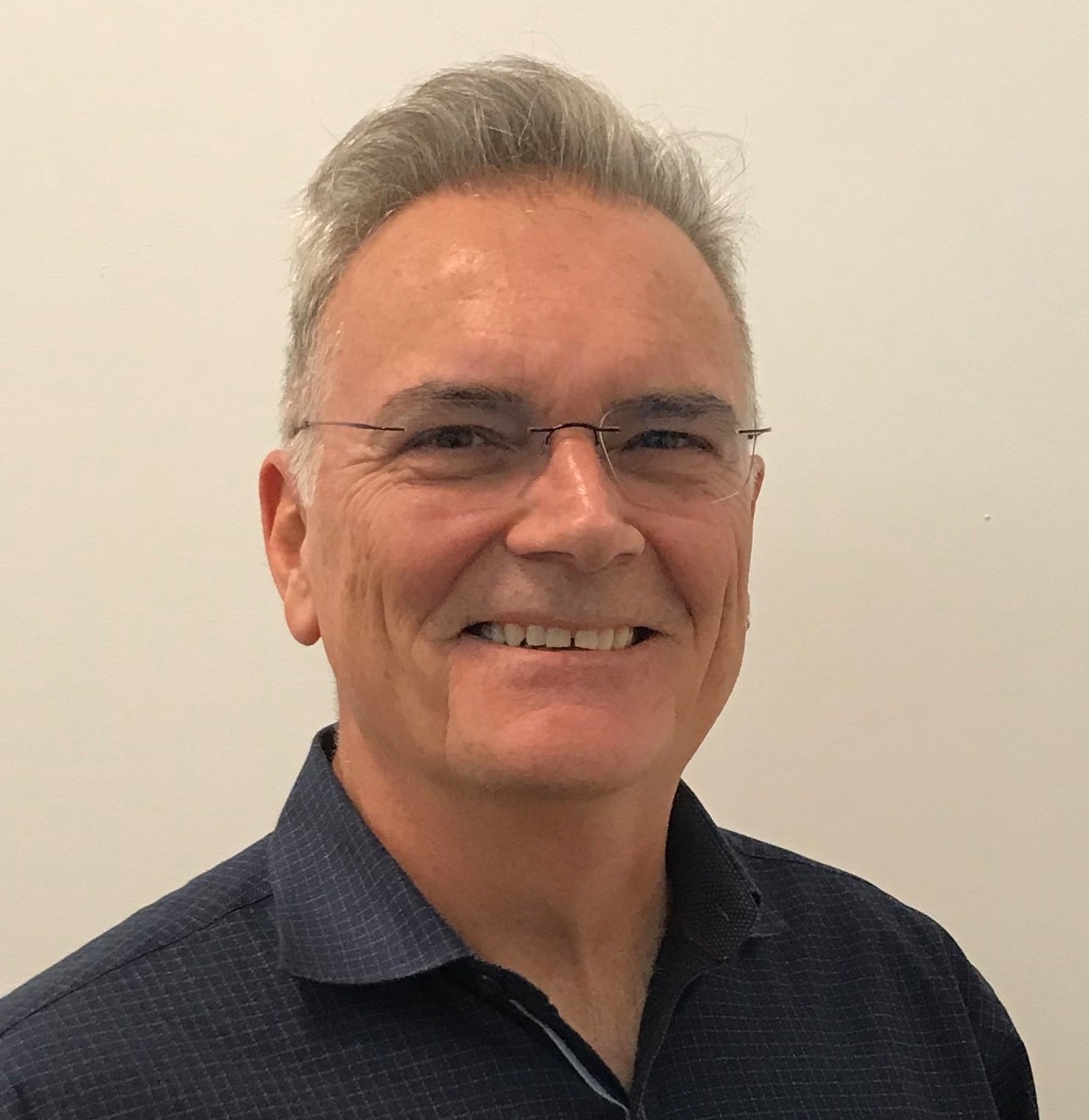
Ed Large, PhD
University of Connecticut
Read more
Dr. Ed Large directs the Music Dynamics Laboratory and the Theoretical Neuroscience Laboratory at the University of Connecticut, where he is a Professor of Psychological Sciences and Professor of Physics. He has spent the past 30 years studying how music entrains — or synchronizes — brain rhythms. His theoretical approach, Neural Resonance Theory, suggests that people anticipate musical events not through predictive neural models, but because brain-body dynamics physically embody musical structure.
He has published nearly 100 articles in journals such as Nature Reviews Neuroscience, Journal of Neuroscience, Physica, Psychological Review, Journal of the Acoustical Society of America, and Music Perception. He has also been granted several US and International patents. He has received numerous awards, including a National Science Foundation CAREER Award and a Fulbright Visiting Chair in the Science and Technology of Music at McGill University. He has also served as President of the Society for Music Perception and Cognition.
Most recently, Dr. Large founded a startup called Oscillo Biosciences. Oscillo is developing a music-based digital intervention for Alzheimer’s Disease that combines the power of music with the latest breakthroughs in neuroscience.

Elizabeth Krasnoff, PhD
California Institute for Human Science
Read more
Elizabeth W. Krasnoff, PhD, was born and raised in New York, living now on the west coast in Los Angeles and in NY city. Her doctorate is in Transformative Studies, with a focus in Consciousness Studies at the California Institute of Integral Studies (CIIS). Her dissertation reviews the transformative effects of sound, specifically “The Effects of Auditory Binaural Beats on Consciousness and the Human Nervous System.” Her first pilot study at California Institute for Human Science (CIHS), where she is on the research faculty, tested her binaural beats formulas, received positive results, and is published in Frontiers in Neuroscience. Her work to measure binaural beats with Kirlian photography is published in Journal For Scientific Exploration. She has created the Sound Medicine Binaural Beats ® App to share this technology. Elizabeth is also a certified Intuition Medicine Practitioner ®, Heartmath® Practitioner and Shamanic Practitioner. Her MA is in Depth Psychology and Mythology from Pacifica Graduate Institute. Her BA in English with a Russian concentration was received from Boston College, Phi Beta Kappa, Summa cum laude. From 1994-1998 she lived abroad in Russia refining her comprehension of the Russian language.
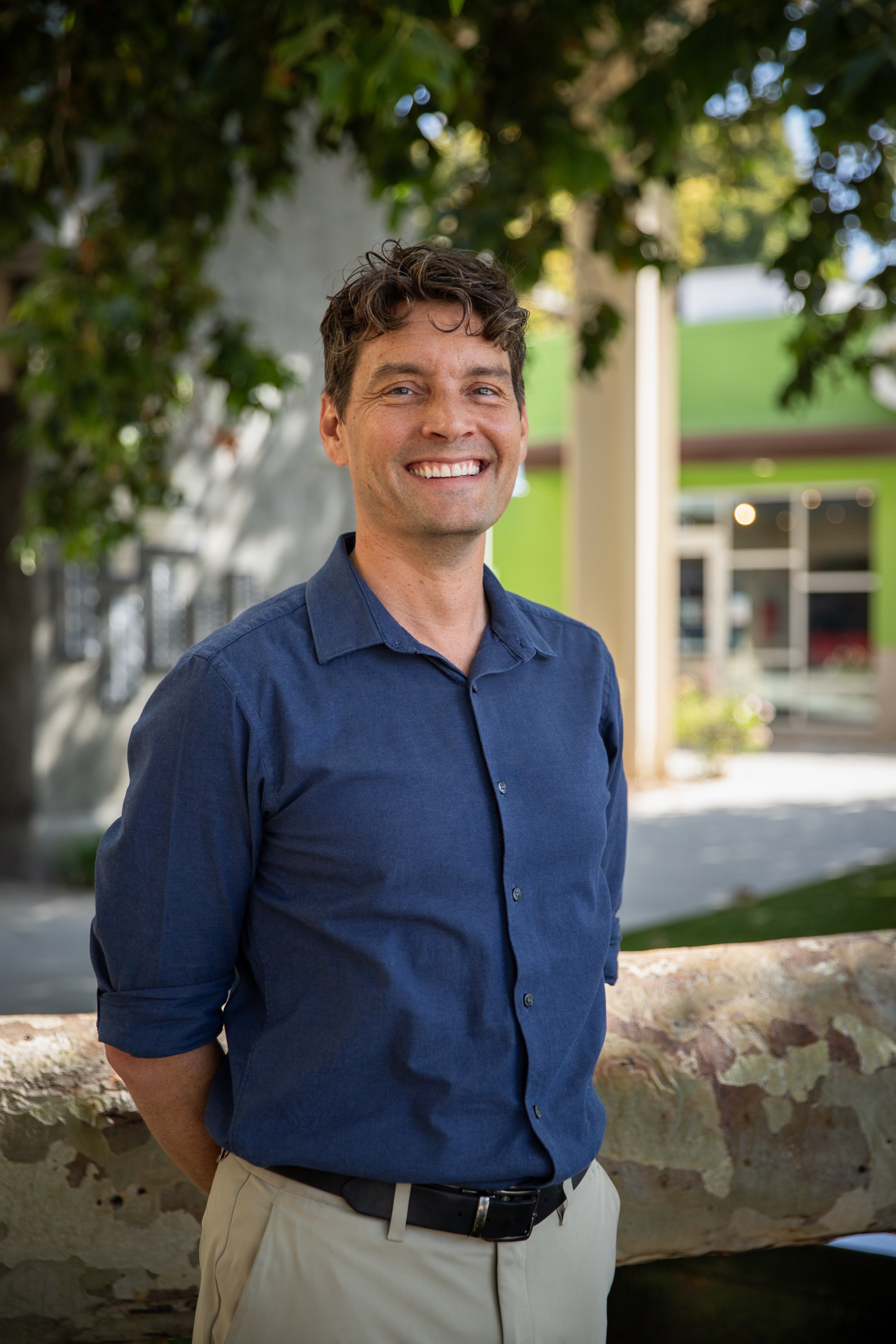
Eric Lindsay, PhD
UC Irvine
Read more
Dr. Eric Lindsay is a composer, musician, and educator whose work bridges music, technology, and social impact. He holds composition degrees from Indiana University–Bloomington and the University of Southern California, with additional studies at King’s College London. On faculty at UCI’s Claire Trevor School of the Arts, Lindsay teaches courses in music theory, electronic production, ear training, composition and multimedia. His compositions—spanning concert works, interactive electronics, sound installation, and film—have been performed by ensembles such as eighth blackbird, New Juilliard Ensemble, American Composer’s Orchestra, Pittsburgh Symphony Orchestra, Cabrillo Festival Orchestra, Argento Ensemble, and Del Sol Quartet, and are published by Peermusic Classical. Beyond composition, Lindsay’s research examines how music can foster health, learning, and intercultural connection. His article, The Nirvana Effect: Tapping Video Games to Mediate Music Learning and Interest (International Journal of Learning and Media) explored how game-based environments can promote musical engagement. He also co-authored Composing Pieces for Peace: Using Impromptu to Build Cross-Cultural Awareness (Visions of Research in Music Education), investigating how collaborative music-making can enhance empathy and intercultural understanding.

Valery Quinonez, MA
UC Irvine
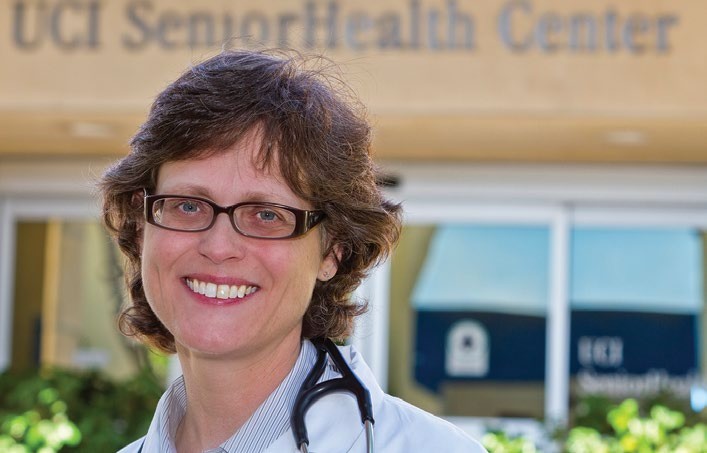
Lisa Gibbs, MD
UC Irvine
Read more
Dr. Gibbs is Professor and Chair of the department of Family Medicine and Geriatrics, the Ronald Reagan Endowed Chair of Geriatric Medicine, and the Chief Population Health Officer for UCI Health. She has an extensive and successful history of developing multifaceted programs, bringing together collaborators from both university and community-based organizations. Her grant leadership experience is best exemplified by her role as developer and PI of the DW Reynold Physicians in Training grant (2009-2013) and two consecutive Geriatric Workforce Enhancement Program (GWEP) federal grants from US-DHHS/Health Resources and Services Administration (HRSA). As the founding medical director of UCI Health’s ACO program, Dr. Gibbs integrated the principles of complex care and team-based models into an age-friendly health system of care and is now the lead physician for population health across the UCI Health system. As a leader in the community, she has collaborated extensively with community organizations and has served as a member of the Steering Committee for the Orange County Strategic Plan for Aging (OCSPA), a core group charged with the planning oversight for aging services in Orange County. Perhaps most importantly, she maintains an active geriatric medicine practice, the foundational core of all other academic activities. Her interests lie in developing innovative clinical care models that enhance patient care across all populations. Dr Gibbs’ interest in music started at the age of 6, which led to a Bachelors of Music degree in piano performance. As a musician and physician, her interest lies in how music informs the practice of medicine, both for the clinicians and the patients.
Arjuna Ugarte, MD
UC Irvine